Get a certified Wisconsin chimney sweep and fireplace repair professionals that follows NFPA 211, IRC, and state amendments. We offer HEPA-contained cleaning, Level I/II inspections, carbon monoxide and draft analysis under worst-case depressurization, and photo/citation reports. Our team manages tuckpointing, crowns, waterproofing, liners, spark-arresting caps, and factory-built system compliance. We expertly install EPA-certified wood, pellet, and gas units with appropriate clearances, venting, and permits. Periodic care plans maintain safety and efficiency-and the next sections show how we do it.
Important Summary
- We specialize in certified NFPA 211-regulated chimney evaluations, HEPA-filtered cleanings, and certified sweep services adapted to meet Wisconsin regulations and periodic maintenance specifications.
- Expert draft and efficiency evaluation with measured draft readings, carbon monoxide testing under extreme pressure situations, and ventilation flow optimization for optimal combustion safety.
- We provide expert masonry repairs, including tuckpointing, chimney crown reconstruction, flashing repairs, and moisture protection solutions, all with detailed code-compliant evaluations and precise mortar matching.
- Professional installation of chimney liners, caps, and spark arrestors in accordance with UL/NFPA standards, incorporating premium stainless full-coverage caps and listed factory-built elements.
- We handle stove and fireplace setup and modification services, complete with required paperwork and comprehensive documentation packages featuring photographic evidence, applicable code references, and authenticated test results for pressure and venting.
Professional Chimney Safety Inspections and Cleaning Services
Routinely arrange thorough chimney servicing and an industry-standard safety inspection to minimize fire risk and confirm proper draft. You'll receive systematic creosote removal using professional-grade brushes and rotary rods appropriate to flue diameter and liner type. We record soot levels, glazing conditions, and draft readings, then clear any flue impediments, including bird nests or masonry debris, using HEPA-contained methods to prevent indoor contamination. We verify cap, crown, and flashing connections without addressing structural rebuilds. Instrumented carbon monoxide testing verifies appliance venting under worst-case depressurization. We assess connectors, thimble seals, and terminations for clearance-to-combustibles compliance. You'll obtain burning technique recommendations-fuel moisture targets, load configuration, and air control settings-to prevent creosote buildup. Final documentation include photos, NFPA 211 checklists, and corrective recommendations.
Brick and Stone Repairs, Tuckpointing, and Restoration
Address damaged mortar, deteriorating bricks, and worn crown caps early to stop water penetration and maintain structural integrity. You can avoid weather-related deterioration, stability issues, and safety hazards. We inspect masonry following NFPA 211 and local Wisconsin codes, recording structural shifts, mineral deposits, and mortar deterioration.
For mortar restoration work, we expertly coordinate sand specifications including gradation, color, and strength, then create properly-sized joint cuts and install appropriate Type N or S mortar, forming to achieve dense, shed-ready profiles. We swap out damaged or unstable brick with like units, maintaining thorough, fully adhered connections. If crown deterioration exists, we strip back to solid masonry and install a strengthened, angled crown with appropriate expansion space around the flue.
Once heat damage impacts the chimney, we schedule flue relining upon completion of securing the masonry work.
Essential Chimney Safety Components
You'll evaluate chimney liners for correct sizing, material, and UL listing to improve draft, contain heat, and comply with NFPA 211 and manufacturer requirements. You'll choose durable caps-optimally stainless or copper with spark arrestors and wildlife barriers-securely anchored to withstand uplift and block moisture penetration. You'll apply effective waterproofing by sealing crowns, repairing flashing, and using vapor-permeable masonry sealants to stop infiltration without containing moisture.
Why Chimney Liners Matter
Few home improvements offer as many safety and performance benefits as a well-installed chimney liner. The installation safeguards combustibles against high temperatures, controls corrosive elements, and establishes a compliant venting pathway. A correctly sized and insulated liner enhances draft stability, minimizes condensation, and reduces creosote buildup-essential factors for fire prevention and extended liner life. The system also increases energy efficiency through better temperature control and improved combustion processes.
A chimney liner safeguards the chimney's masonry from acidic condensate and freeze-thaw damage, maintaining structural soundness. It's crucial when changing fuel appliances, repairing deteriorated flue tiles, or adhering to NFPA 211 and manufacturer listings. Listed stainless steel liners withstand heat cycles and fire events superior to unlined systems. With professional installation and annual inspections, you'll improve efficiency, lower repair probability, and safeguard indoor air quality.
Picking Resilient Caps
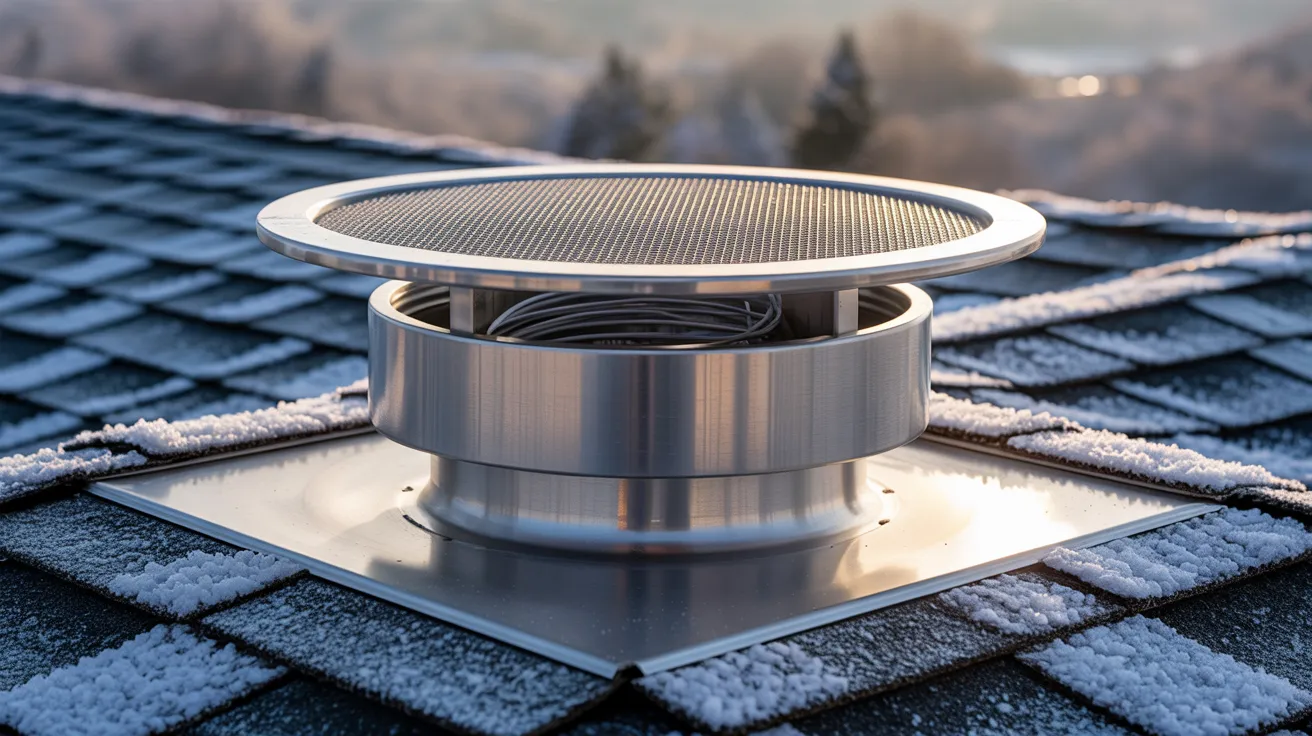
Upon properly fitting and insulating the liner for stable draft and code compliance, shield the top of the system with a heavy-duty, listed chimney cap. Choose stainless covers to resist corrosion from Wisconsin winter conditions, acidic condensate, and creosote byproducts. Ensure UL listing, spark-arrestor function, and compatibility with your fuel type and liner termination. Specify a full-coverage cap that sheds precipitation, anchors to the flue or crown securely, and maintains required free area to avoid draft restriction.
Install custom mesh sizing to balance spark management and airflow: 3/4-inch to contain embers as required by regulations, bigger mesh only with manufacturer approval. Incorporate bird and wildlife protection. Opt for removable screens for easy servicing. Specify stainless fasteners and gasketed seams. Confirm bonding/grounding when code or lightning risk applies.
Key Waterproofing Strategies
Starting at the top down to the firebox, proper waterproofing starts with a protective system that stops liquid water and vapor intrusion while maintaining code-compliant airflow. First, ensure the liner is continuous, listed, and properly sized; restore deteriorated flues to satisfy NFPA 211 requirements and manufacturer recommendations. Fit a complete cap including mesh and a rain collar to deflect rainwater without restricting exhaust.
Safeguard the crown with elastomeric, UV-stable silicone membranes that span cracks and handle freeze-thaw movement. For masonry, use breathable protective layers that resist bulk water yet enable vapor diffusion, stopping spalling and efflorescence. Counter-flash and seal all flashing at joint steps. Restore mortar joints with Type N or S, then compress firmly. Conduct annual inspections and refresh protective layers per product intervals.
Fireplace and Stove Installations and Upgrades
Upgrade your fireplace with solutions that satisfy current codes, maximize efficiency, and prioritize safety. You'll get systems correctly dimensioned to your room load, with spacing, chimney height, and connector diameters configured per NFPA 211 and Wisconsin Uniform Dwelling Code. We assess flammable materials, floor protection, and seismic requirements, then set up listed appliances according to manufacturer specifications.
Opt for EPA-certified wood, pellet, or gas units with sealed combustion. We install high-grade stainless liners, insulated chimney thimbles, and balanced vent terminations. Ventilation upgrades feature dedicated fresh air intake, make-up air strategies, and mechanical ventilation coordination to maintain proper pressure relationships. Electrical and gas lines are routed with isolation valves, condensate traps, and code-compliant GFCI/AFCI safeguards. For fireplace appearance, we select noncombustible surrounds, safety-standard mantels, and decorative panels that optimize function while preserving safe clearances.
Resolving Draft, Smoke, and Efficiency Issues
After your appliance has been correctly sized and installed to specifications, optimal operation relies on maintaining draft stability, clean burning, and balanced pressure. We begin by checking the flue dimensions, liner condition, and proper chimney height. Following that, we assess draft (inches w.c.), flue temperature, and excess oxygen to verify combustion efficiency. If smoke spillage occurs, we apply corrective measures: sealing leaks at the thimble and cleanout, adjusting offsets, and enhancing chimney insulation to increase stack temperature.
Inside the home, we carry out airflow optimization. We measure house pressure when exhaust fans are operating, confirm adequate makeup air, and install a fresh air intake kit when necessary. We fine-tune damper positions, gasket seals, and door closure pressure. Finally, we fine-tune fuel moisture levels, ash layer depth, and baffle positioning to ensure consistent burning and minimize creosote formation.
Local Codes, Certifications, and Seasonal Maintenance Plans
It's important to verify that your fireplace and exhaust systems comply with current Wisconsin Fireplace Codes, including standards for clearances, liner specs, and chimney height guidelines. Engage technicians possessing Certified Sweep credentials so inspections, cleanings, and repairs adhere to industry standards and standardized procedures. We'll create a periodic maintenance plan that sets up code-compliant inspections in advance of heating season and after-season examinations to spot wear, creosote, and safety concerns before they escalate.
Wisconsin Fireplace Standards
Even though fireplace design is significant, Wisconsin building and safety codes are the top priority. You need to match flue sizes to appliance listings, keep necessary distances from flammable materials, and set up appropriate fireproof hearth extensions according to NFPA 211 and Wisconsin Uniform Dwelling Code. Stone chimneys need properly lined flues, approved caps, and appropriately flashed terminations. Manufactured systems require listed components and proper manufacturer-approved mounting.
Before commencing work, obtain required local permits and consider permit approval periods that change based on location. Maintain thorough documentation of regulatory requirements with detailed cut sheets, inspection photographs, and verified pressure and venting tests. Converting to gas logs or inserts must have appropriate shutoff valves, venting system validation, and carbon monoxide detectors as specified in SPS 321.42. Solid-fuel installations must include spark arrestors and convenient cleanout access. Arrange regular preseason inspections, conduct necessary sweeping, and maintain detailed records to streamline insurance, resale, and occupancy approvals.
Accredited Sweep Services
More than just appearances, a certified sweep program connects your fireplace upkeep to local code requirements, professional credentials, and a structured maintenance protocol. You receive a certified chimney professional who applies NFPA 211, IRC, and Wisconsin amendments for each service. Their comprehensive sweep training covers combustion air, clearances to combustibles, venting geometry, and fuel-specific hazards, ensuring no issues are overlooked.
We conduct periodic maintenance services including: initial Level I system check, middle-of-season CO and draft verification, and end-of-season Level II check when required. We provide detailed visual documentation, applicable code references, and a risk-based correction plan. Our certified specialists thoroughly inspect chimney components such as caps, liners, dampers, hearth extensions, and smoke chamber alignment; they perform draft analysis and carbon monoxide testing at the installation point. This documentation enables permit applications, insurance verification, and real estate documentation, maintaining your system continues to be safe, efficient, and code-compliant all year long.
Frequently Asked Questions
What Are Your Emergency Chimney Service Hours?
Absolutely, we offer emergency chimney services outside normal business hours, including holidays. We maintain after hours availability with professional experts trained in NFPA 211 standards. more info We respond to emergency situations including smoke problems, chimney fires, structural concerns, and carbon monoxide risks. Expect quick emergency service, virtual evaluation, and safe temporary stabilization. We document all findings, perform code-compliant repairs or ensure system safety until comprehensive service can be completed. You'll receive clear safety guidance and subsequent appointment scheduling.
What Regions of Wisconsin Do You Serve, and Are Travel Charges Applied?
We serve Milwaukee suburbs, Southern suburbs, Fox Valley, Door County, Northern lakes, and Western Wisconsin. Worried about service availability? You'll receive NFPA 211-compliant service statewide with documented inspections and draft verification. Additional fees are required for locations beyond a 25-mile radius from our hubs; these fees are zone-based, transparent, and eliminated with repair services following inspection. You'll receive optimized service routes, thorough access assessments, and full permit handling for code compliance.
Are Itemized Estimates and Payment Plans Available
We'll provide comprehensive estimates outlining labor, materials, code-required components, and safety upgrades. All components corresponds to relevant building codes and NFPA 211 standards for your verification of work scope and code adherence. We provide customizable payment options featuring deposits, progress payments, and final inspection holdbacks. We'll itemize separately all permits, modifications, and clearance requirements. Written approval is required for all work details before work commences for your protection and complete transparency.
Are Your Technicians Background-Checked and Insured for On-Site Work?
Indeed - we ensure all our technicians are thoroughly vetted and insured. We implement thorough background verification processes before hiring and re-verify periodically. Our team is protected with complete liability coverage and workers' compensation insurance for on-site work. We keep detailed records of certifications, track training, and adhere to NFPA and local code requirements. You'll receive service reports, job-site hazard assessments, and proof of insurance upon request, guaranteeing safe, responsible, and regulation-compliant service from arrival to cleanup.
Do You Work With Home Insurance for Damage Claims?
Absolutely. You are provided with full insurance assistance and claim guidance from first inspection through final repair. We record damage with detailed reports, photo evidence, and NFPA 211 references, then collaborate with your adjuster to coordinate scope, estimate, and safety requirements. You approve all work confirmations. We coordinate emergency mitigation, offer permitting support, and preserve chain-of-custody for materials. You receive transparent status notifications, compliant workmanship, and a final closeout package for your insurance company's records.
In Summary
You choose well-maintained flues, not hidden creosote; durable masonry, not failing joints; properly fitted liners and caps, not water intrusion; professional installations, not guesswork; proper drafts, not smoky rooms. You follow NFPA 211, IRC, and local regulations. You schedule seasonal inspections, report findings, and correct defects. You confirm clearances, evaluate draft, and verify CO safety. You secure your home, ensure efficiency, and meet inspection-safely, compliantly, dependably-today, this season, year after year.
Comments on “ Emergency Chimney Services Wisconsin”